
Last updated September 20, 2026
Free on-site gate assessment - hinges, posts, and your LiftMaster or Nice gate operator checked before anything is quoted
The assessment is free and the quote is the invoice.
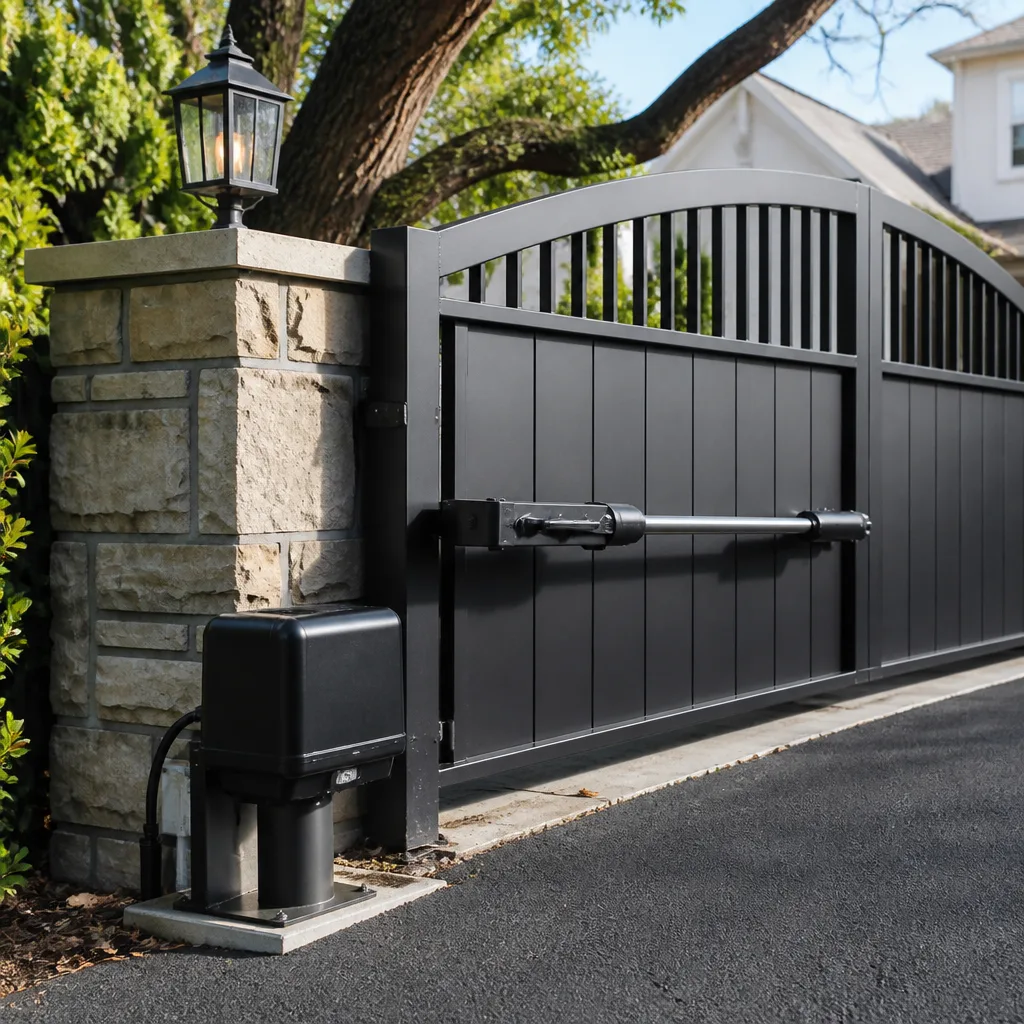
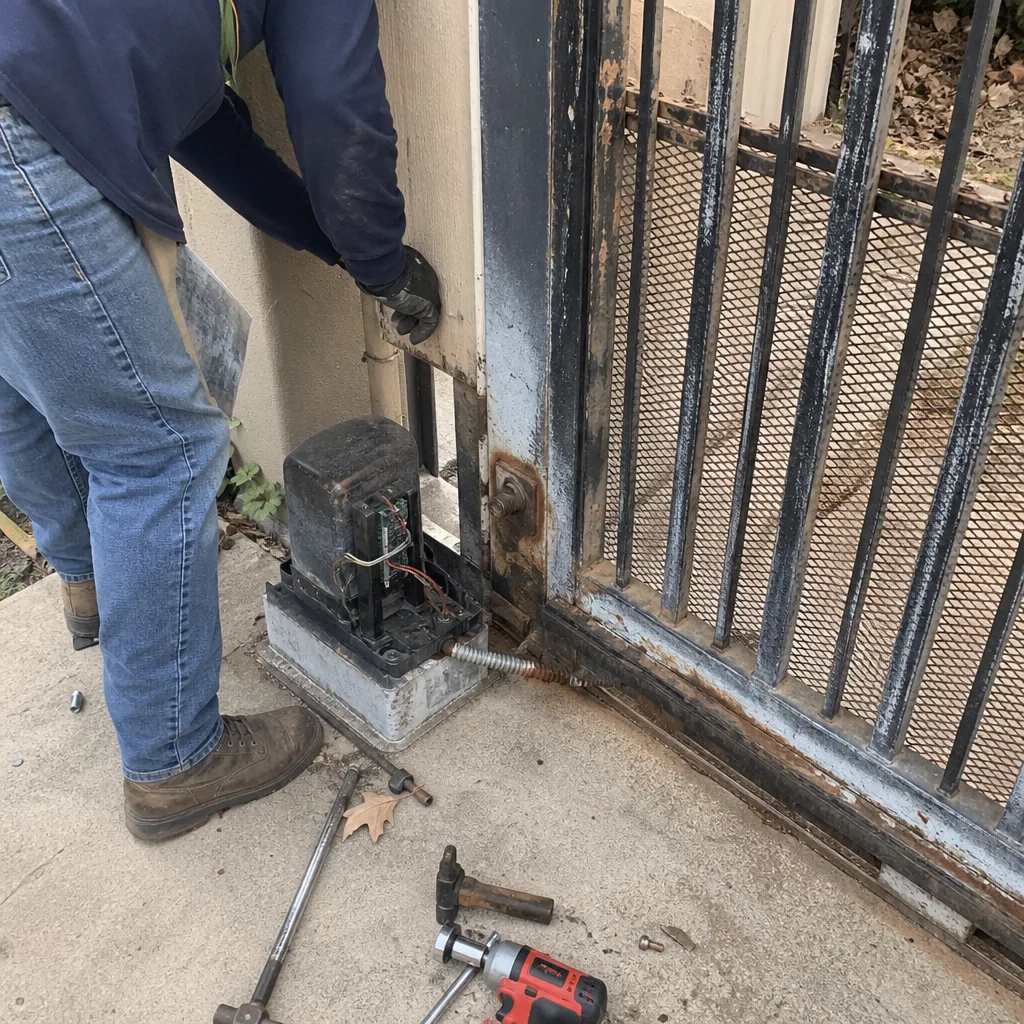 Before
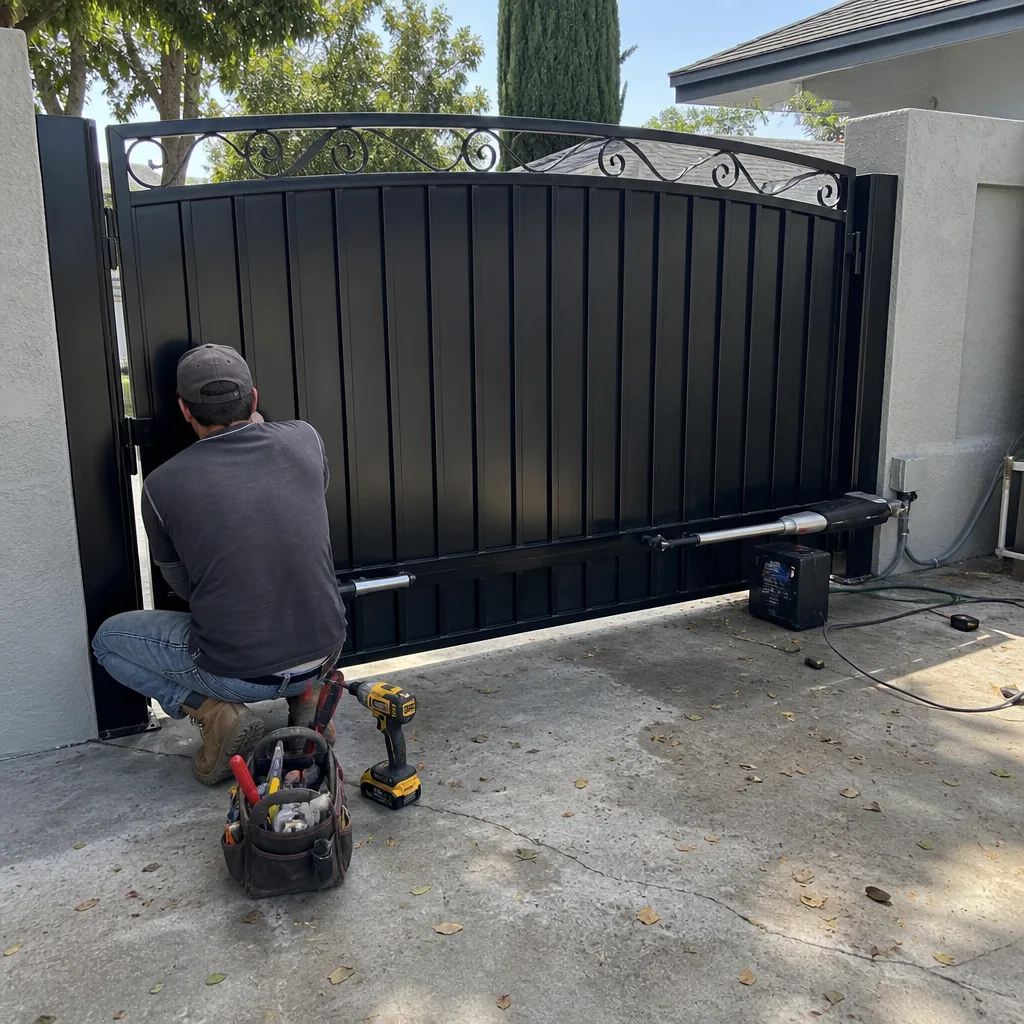 After
After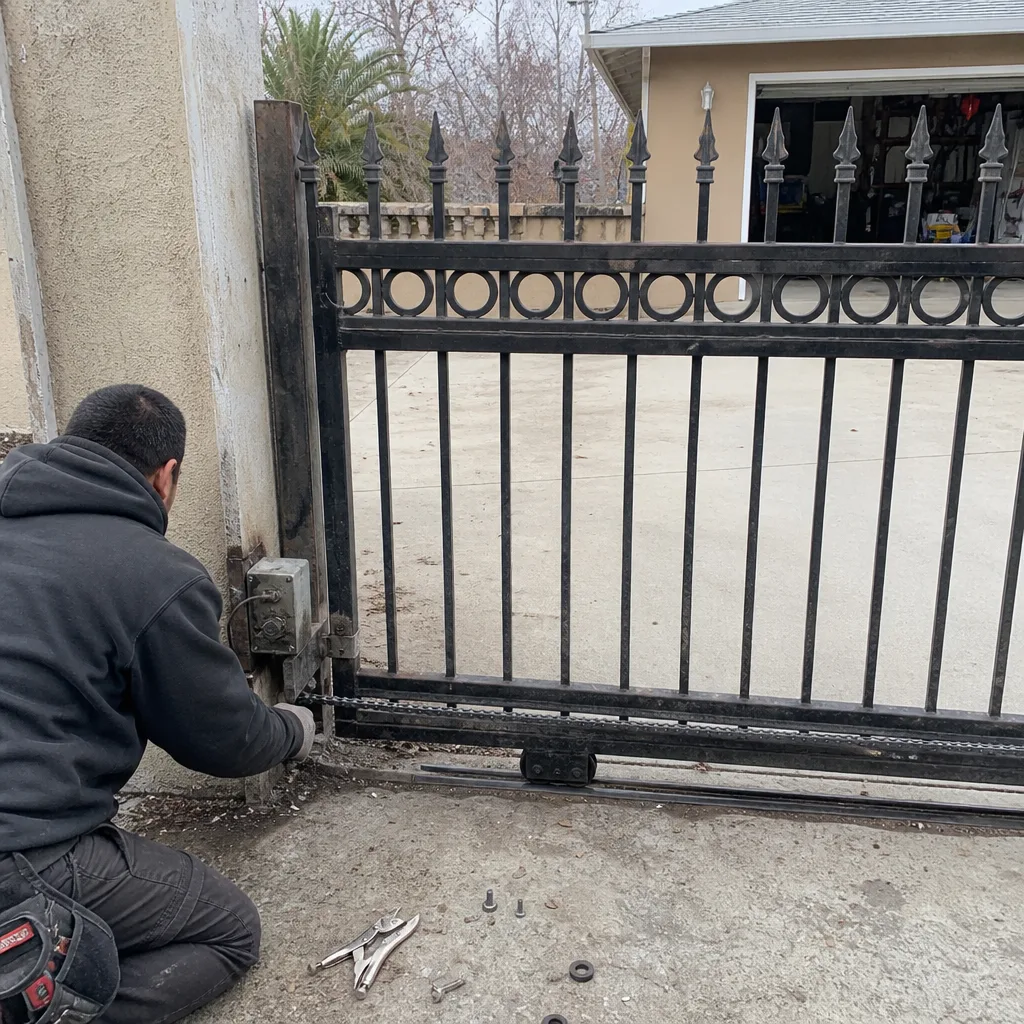 Before
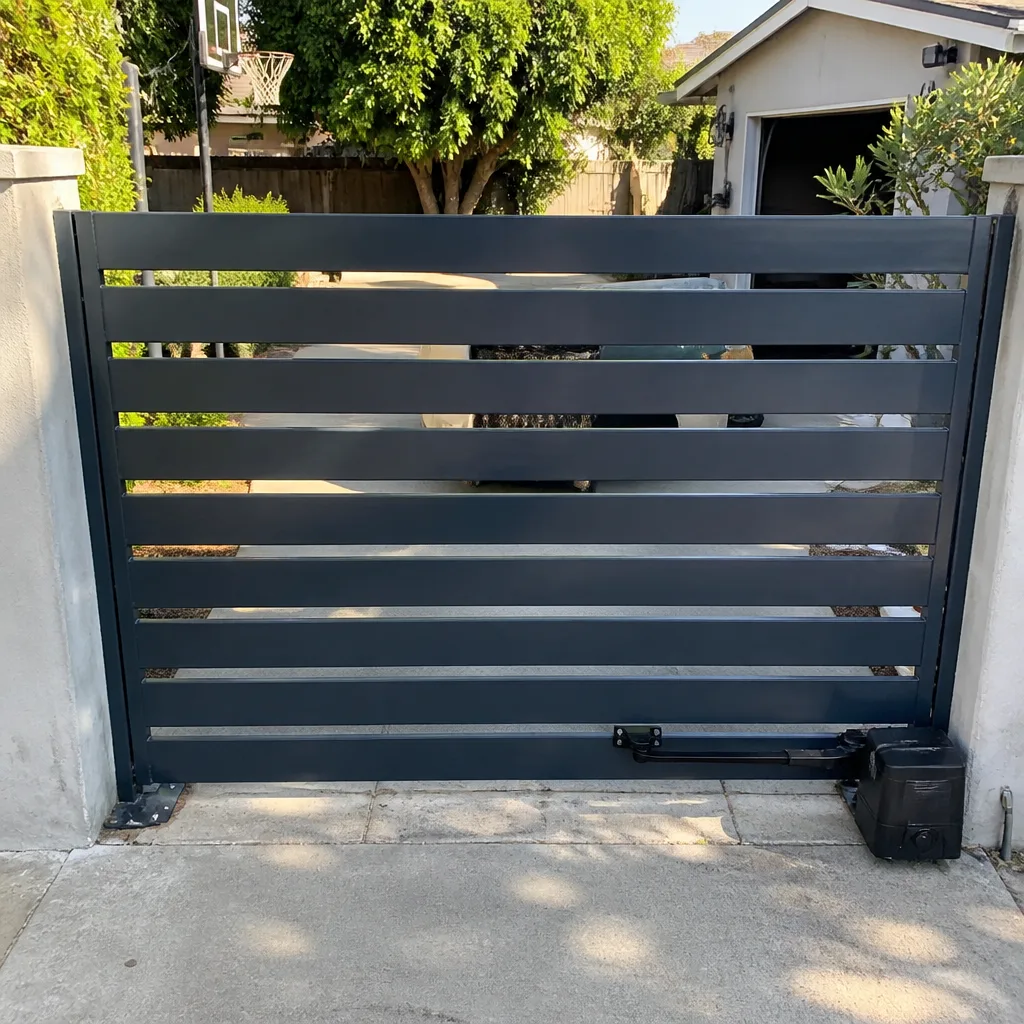 After
After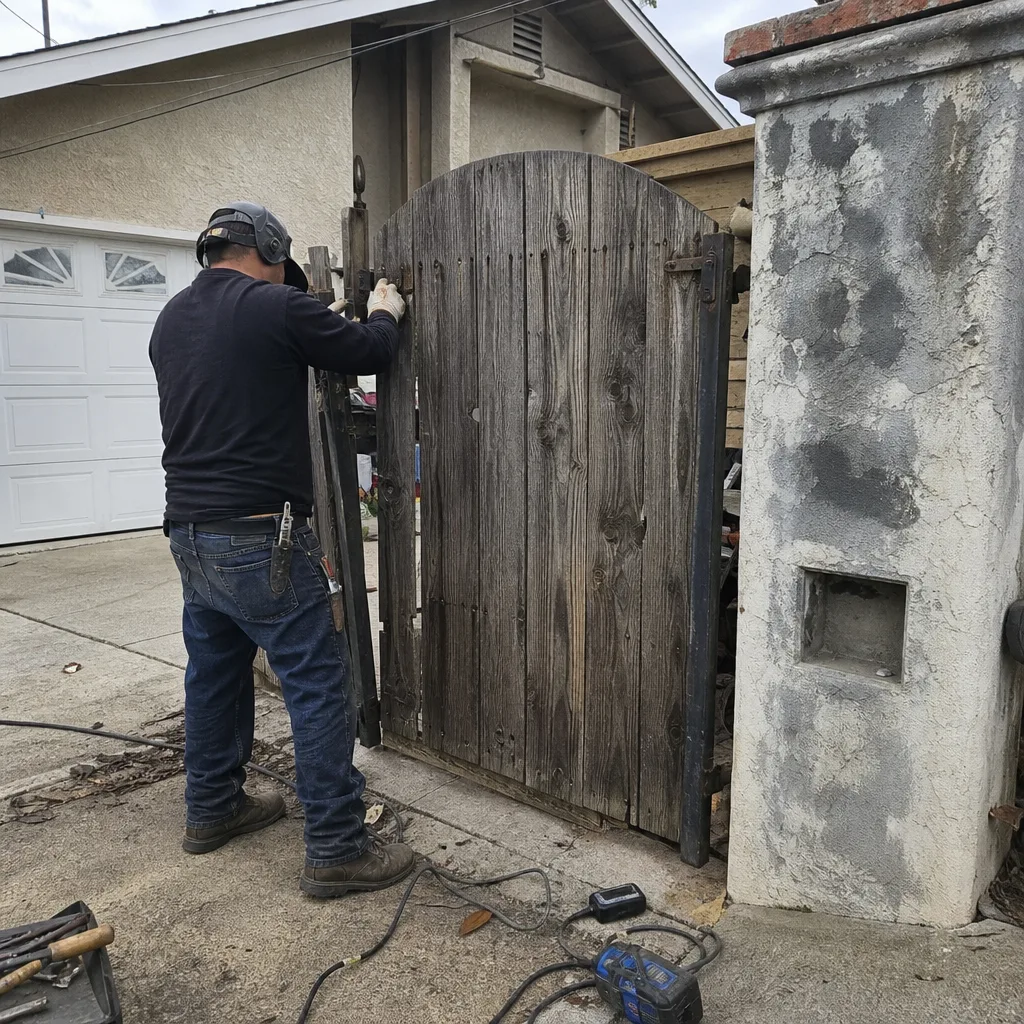 Before
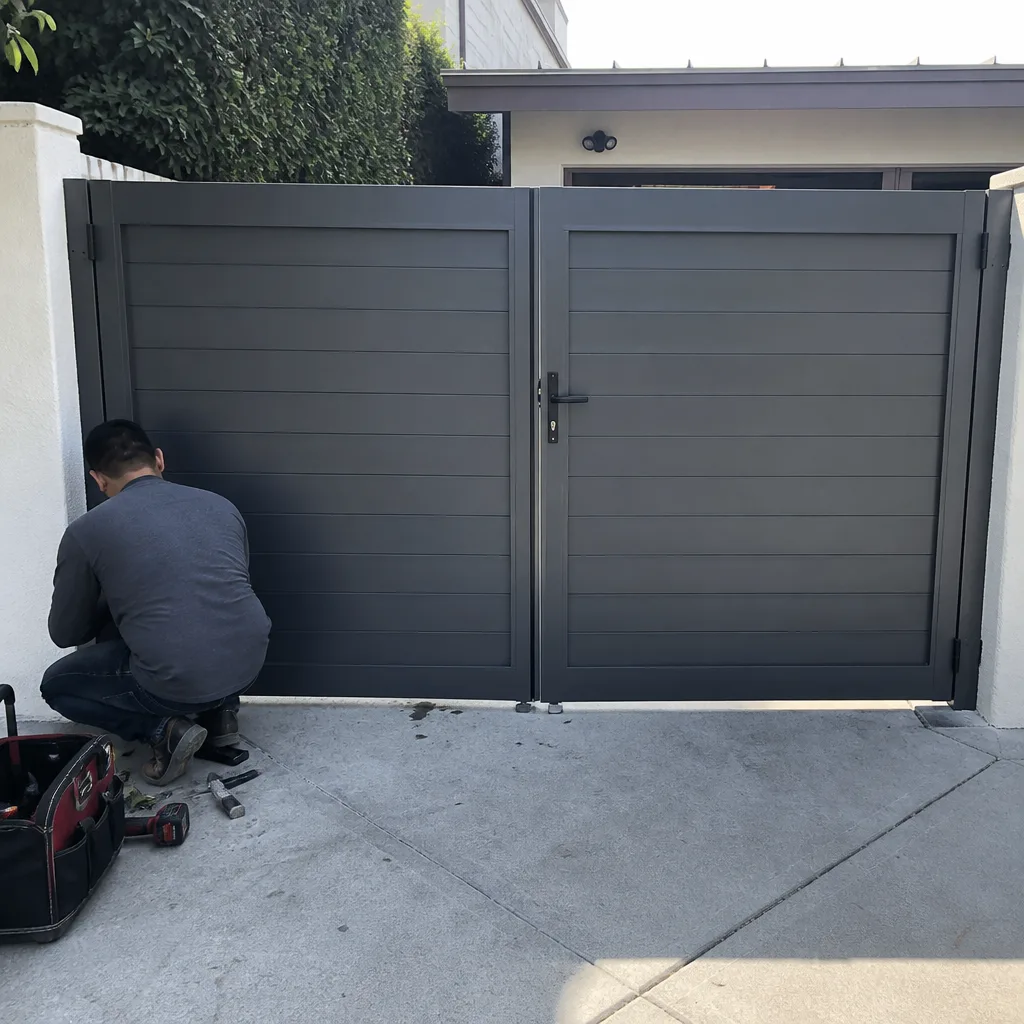 After
AfterSeasonal Gate Repair Care for North Hollywood: Year-Round Homeowner’s Guide
Nobody moves to North Hollywood for the seasons. But your driveway gate lives outside through all of them, and the myth of year-round mild weather has quietly killed more gate operators in the 91601 and 91606 ZIP codes than any single mechanical failure. A west-facing driveway on a July afternoon in North Hollywood can hit 150°F at the pavement, and that heat climbs straight into your gate motor’s control board, where capacitors age at roughly twice their rated rate. This guide explains what actually stresses a gate in this climate, when it happens, what to check, and what to record so you’re never paying twice to rediscover a problem that was visible a season earlier.
Quick Answer
Seasonal gate care in North Hollywood means two focused inspections per year: a pre-summer check in May or early June for heat-related stress on motors, circuit boards, and metal expansion, and a post-rain inspection in late winter for corrosion, wood swelling, and conduit flooding. Between those, monitor photo-eye alignment after Santa Ana wind events and record baseline measurements of motor amp draw and limit-switch positions so any degradation shows up as a number, not a guess.
Table of Contents
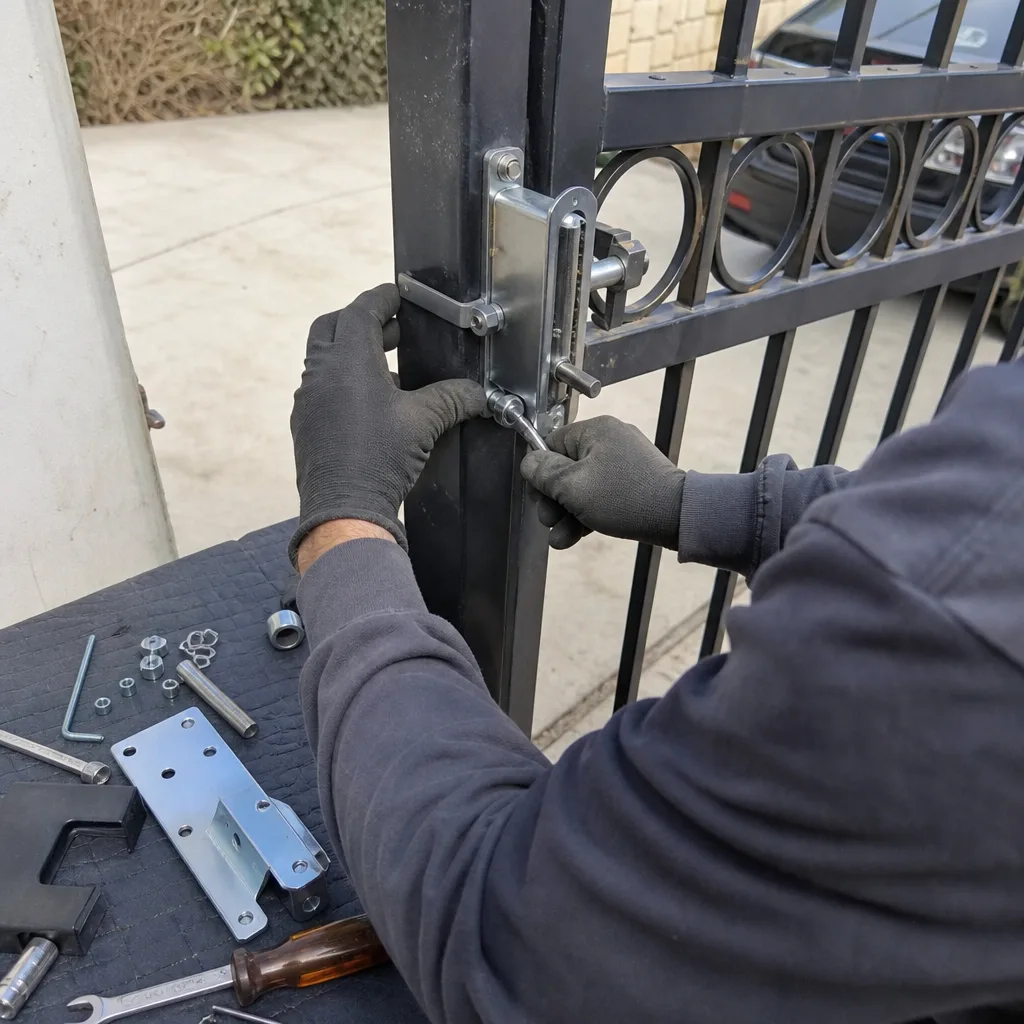
- The Two Seasons That Actually Matter in North Hollywood
- Summer Heat: What It Does to Gate Operators
- The Post-Rain Inspection Sequence
- Building a Pre-Summer Baseline: What to Measure and Record
- Santa Ana Winds: Photo-Eyes, Travel Sensors, and What to Check Within 24 Hours
- Month-by-Month Service Calendar for North Hollywood
- Common Mistakes to Avoid
- When to Call a Professional
- Frequently Asked Questions
- The Bottom Line
BeforeAfterThe Two Seasons That Actually Matter in North Hollywood
Forget spring, summer, fall, and winter. A driveway gate in North Hollywood experiences two distinct stress cycles, and they map to the climate, not the calendar. The first is the heat cycle, running roughly from June through September, when ambient temperatures above 90°F become routine and south-facing or west-facing metal expands, grease thins, and control boards bake. The second is the wet cycle, a shorter window from December through February, when even North Hollywood’s modest rainfall saturates wood frames, finds its way into corroded connections, and pushes silt through weep holes that haven’t been cleared since the previous year.
What makes this different from, say, a gate in Phoenix or Seattle is the combination. North Hollywood doesn’t get enough heat to dry everything out completely, and it doesn’t get enough rain to wash debris away. The result is a kind of stop-and-start stress pattern. Metal expands and contracts slightly every day. Moisture sits in low spots long after the rain stops. Connections that got hot and loose in September are perfectly positioned to corrode in February. We’ve opened control boxes in Valley Village and North Hollywood where a wire nut that loosened during a heat wave had already turned green by the time the first rain arrived. The sequence is predictable. The damage is preventable.
This is also why the “seasonal checkup” approach from other climates doesn’t translate. A fall tune-up designed for Connecticut doesn’t address what a July heat wave in the San Fernando Valley does to a LiftMaster or FAAC control board. A spring checklist written for Seattle doesn’t account for the fact that your gate’s biggest wind threat arrives in October and November, not March. North Hollywood needs a calendar built around its own weather data, and that’s what the rest of this guide provides.
Summer Heat: What It Does to Gate Operators
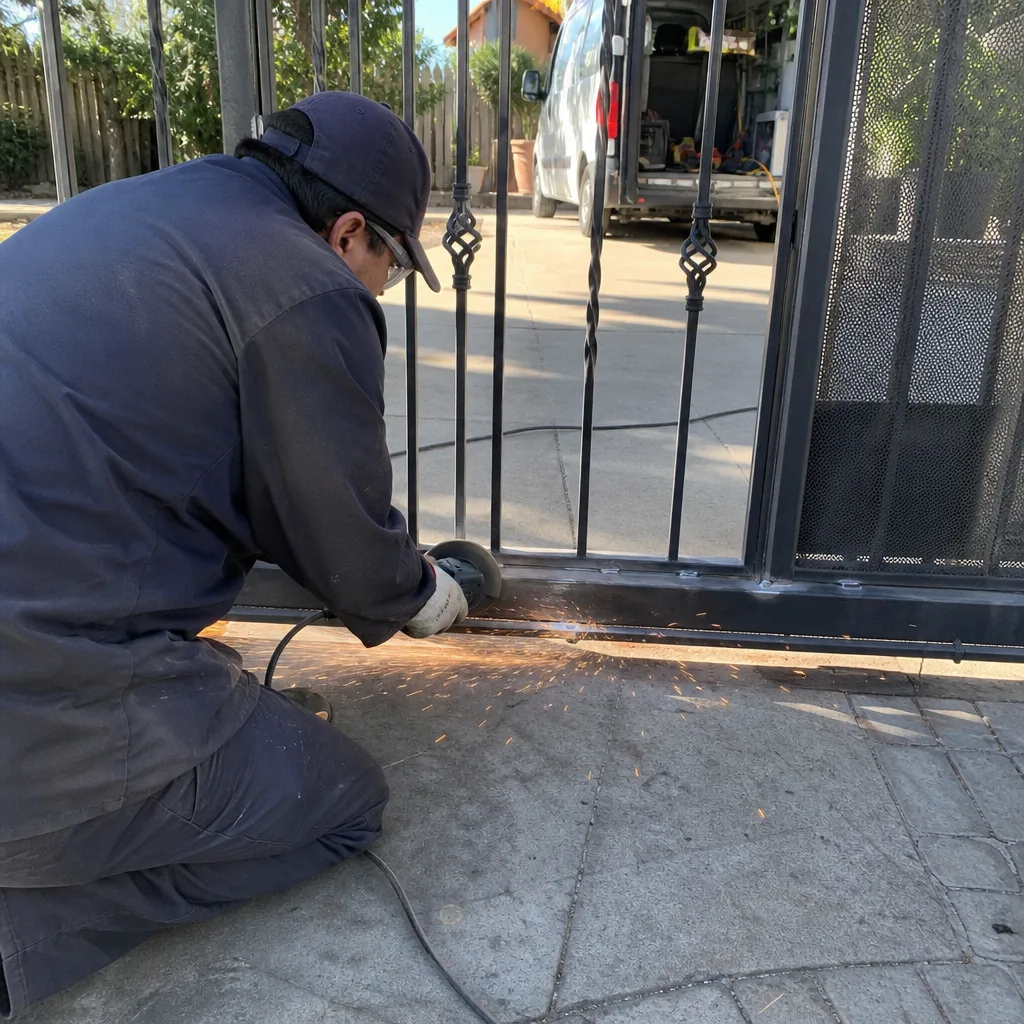
Most residential gate operators are rated to operate in ambient temperatures up to about 140°F internally. That sounds like plenty for North Hollywood, where air temperatures rarely pass 110°F. The problem is that the inside of a metal control box mounted on a west-facing gate post doesn’t experience air temperature. It experiences radiant heat from the metal, conductive heat from the post, and its own operating heat all at once. Internal box temperatures of 150°F to 165°F are common on July afternoons, which pushes capacitors, relays, and transformer windings past their comfort zone and shortens their service life measurably.
Duty cycle is the term for how long a motor can run before it needs to rest and cool down. A standard residential swing-gate operator is usually rated for a 20% duty cycle, meaning it can run about 2 minutes out of every 10. On a normal day in North Hollywood, that’s plenty. But during summer, two things happen. First, the motor runs hotter, so the same amount of work generates more internal heat. Second, summer usage patterns change. Kids are home from school, the pool gate cycles repeatedly, delivery drivers come more often, and a gate that opens 12 times a day in February might open 30 times a day in July. The motor never gets a chance to shed heat. It runs hot, then hotter, and the thermal overload protection starts tripping. A homeowner calls us because the gate “just stops working in the afternoon.” It’s not broken. It’s overheated, and it’s been overheating for weeks.
There’s also the metal itself. Steel and aluminum expand when heated. A swing gate leaf that clears the ground by 3 inches on a January morning might sag to within 2.75 inches by mid-August simply because the metal expanded and the hinge geometry shifted. On a sliding gate, the track and the rollers expand at different rates, and a gate that ran smoothly all spring can start binding in summer as the track bows slightly under heat load. None of this is a catastrophic failure. It’s gradual, measurable, and entirely addressable if someone is looking for it before the symptoms become a service call.
The Post-Rain Inspection Sequence
When the rain stops, the damage starts. It doesn’t announce itself. It shows up three weeks later as a gate that hesitates on startup, or a keypad that works intermittently, or a motor that hums but doesn’t turn. The moisture has been in there the whole time, working on connections and terminals. The sequence below is what we run on every post-rain inspection in North Hollywood, and it’s the same sequence we’d suggest running on your own gate. It takes about 20 minutes.
- Check the low-voltage wire connections first. This is where corrosion appears earliest and causes the most intermittent problems. Look at the wire nuts, terminal blocks, and splice points inside the control box, at the photo-eye connections, and at any exterior junction boxes. Green or white powder on copper is the tell. Wire brushing and dielectric grease are the fix for minor cases; replacement is the fix for anything that crumbles when touched.
- Clear the weep holes. Every metal gate frame should have small drainage holes at the bottom of the uprights and crossmembers. When they clog with dirt, dust, and spider webs, water pools inside the frame. In North Hollywood’s clay-heavy soil, the alkaline dust accelerates corrosion on the inside of the frame where you can’t see it. A small screwdriver or a piece of wire clears them. If water comes out when you clear a weep hole, leave the hole open and consider drilling a second one if the gate has no other drainage path.
- Inspect the underground conduit entry points. Where the low-voltage wire enters the ground at the gate post and at the house, water can follow the conduit downhill. Over multiple seasons, standing water inside underground conduit degrades wire insulation, especially at the low points. Look for cracked conduit, separated fittings, or soil erosion around entry points. If the conduit has pulled away from the box, reseat it and seal the gap with an appropriate exterior-grade sealant.
- Test the photo-eye alignment. Rain doesn’t usually knock photo-eyes out of alignment on its own, but the soil movement and minor shifting that come with rain can move a post just enough. Clean the lenses of both units, then test by blocking the beam while the gate is closing. If the gate doesn’t stop and reverse immediately, the eye needs realignment or replacement.
- Check wood gate frames for swelling. If you have a wood gate on a metal track or hinged to a wood fence, the wood absorbs moisture and swells. A gate that fit its opening all summer can bind against the post or the latch after two weeks of rain. This is a relief problem, not a repair problem in most cases. Sanding or planing the swollen edge is the common solution, but don’t do it until the wood has had a chance to dry out completely, otherwise you’ll remove too much and have a gap all summer.
What we look for most in our own post-rain service calls across North Hollywood and the surrounding San Fernando Valley is the combination of corroded terminals and a heat-weakened board. The rain doesn’t break anything by itself. It exposes what the summer already weakened.
Building a Pre-Summer Baseline: What to Measure and Record
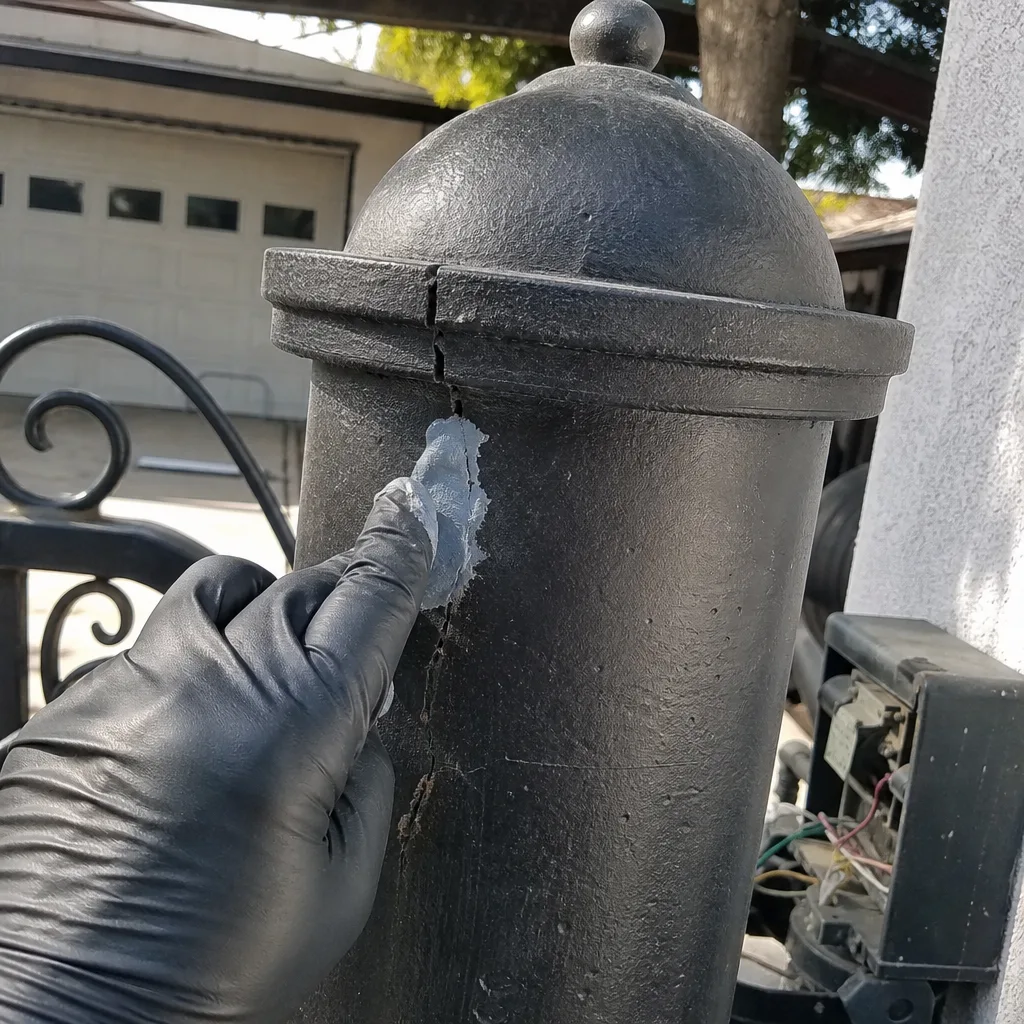
The single most valuable thing you can do for your gate in North Hollywood is record what “normal” looks like before the heat arrives. Not with words. With numbers. Because the first sign that something is degrading is rarely a noise or a smell. It’s a change in a measurement: a motor drawing 0.3 amps more than it did in May, a limit switch that now travels 4 degrees past where it stopped in March, a battery that holds 11.9 volts under load in June when it held 12.6 in February. These changes are invisible to the eye and inaudible to the ear. They only appear when you have a baseline to compare against.
Here’s what a useful pre-summer baseline should include:
- Motor amp draw under load. Measured at the motor terminals or from the control board’s diagnostic display while the gate is moving. A rising amp draw over time indicates increasing mechanical resistance: binding hinges, worn rollers, a track out of level, or a motor that’s working harder than it should.
- Limit-switch positions. Where the gate stops when fully open and fully closed. On most modern operators (LiftMaster, FAAC, BFT, and Mighty Mule all have accessible limit settings), these positions should not change. If they drift, something is moving: hinge wear, post shift, or sensor drift.
- Battery voltage under load. If your gate has a backup battery or runs on DC power, the voltage under load tells you more than the voltage at rest. A healthy 12V battery should hold at or above 11.8 volts under load. If it dips below 11.5, the battery is nearing end of life and will likely fail during the next power outage, which is precisely when you need it.
- Photo-eye alignment and beam strength. Not just “does it work,” but how much margin the system has. A weakening beam is often the first sign of dust accumulation or lens degradation, both of which get worse over the summer.
- Close-force or obstruction sensitivity settings. If your operator has adjustable force settings, record them. A gate that needs more force to close than it did in spring is a gate that’s starting to bind somewhere. That information is gold when diagnosing later problems.
We’ve been doing this commercially since 2014, and the documentation habit is the thing we most often see missing on residential gates. Our technicians record amp draw, limit positions, and battery voltage on every visit, photograph the readings, and leave you with that record. Not because it’s interesting. Because it’s how you solve the problem in 20 minutes the next time instead of spending an hour rediscovering it. If you’re doing your own seasonal checks, write the numbers down. You don’t need a fancy form. A note on your phone works.
Santa Ana Winds: Photo-Eyes, Travel Sensors, and What to Check Within 24 Hours
Santa Ana winds are North Hollywood’s version of a hurricane, minus the rain and the preparation. They arrive in October and November, blow dry desert air through the passes, and routinely hit sustained speeds of 30 to 50 miles per hour with gusts above 70. For a driveway gate, that wind load is doing serious work. A standard 12-foot metal gate leaf acts like a sail. In a 50-mph gust, it’s pushing against its hinges, its operator arm, its limit stops, and its guide rollers with hundreds of pounds of force. Most gates survive. But “survive” and “unchanged” are two different things.
Here’s what Santa Ana winds actually do, based on the service calls we see in the weeks after a major event:
- Photo-eye misalignment. The gusts that shake a gate also shake the posts that hold the photo-eyes. A quarter-inch shift at the post is enough to break the beam or weaken it to the point where sunlight washes it out. If your gate starts reversing randomly or refuses to close at all in the days after a wind event, the photo-eyes are the first thing to check.
- Travel sensor drift. On operators that use magnetic limit switches or encoder wheels, repeated hard stops against the limit in high wind can cause the sensor to drift out of calibration. The gate still opens and closes, but it travels slightly farther in one direction or stops a few inches short. That drift only gets worse over time and eventually burns out the limit actuator or strips the drive gear.
- Hinge and bracket loosening. The repeated slamming against the mechanical stops loosens bolts and set screws. A hinge that was tight in October may have 1/16 inch of play by November. That play wears the hinge pin faster and changes the gate’s geometry, which changes the amp draw, which changes everything else. Check hinge bolts, operator mounting brackets, and any set screws on the drive assembly.
- Debris in the track. For sliding gates, wind-driven leaves, palm fronds, and trash accumulate in the track and the wheel channels. This is the most common cause of post-wind “grinding” noises, and clearing it is a five-minute job that prevents a much more expensive wheel or track replacement down the line.
The 24-hour window matters because the damage compounds. A misaligned photo-eye left for two weeks gets hit by more wind, more vibration, and more temperature cycles. The bracket loosens further. The beam weakens more. What was a five-minute realignment becomes a replacement. If a major Santa Ana event comes through, give your gate a close visual inspection the next morning. Look at the photo-eyes, try the gate through two full cycles, and put your hand on the hinge bolts. If anything moves that shouldn’t, tighten it.
Month-by-Month Service Calendar for North Hollywood
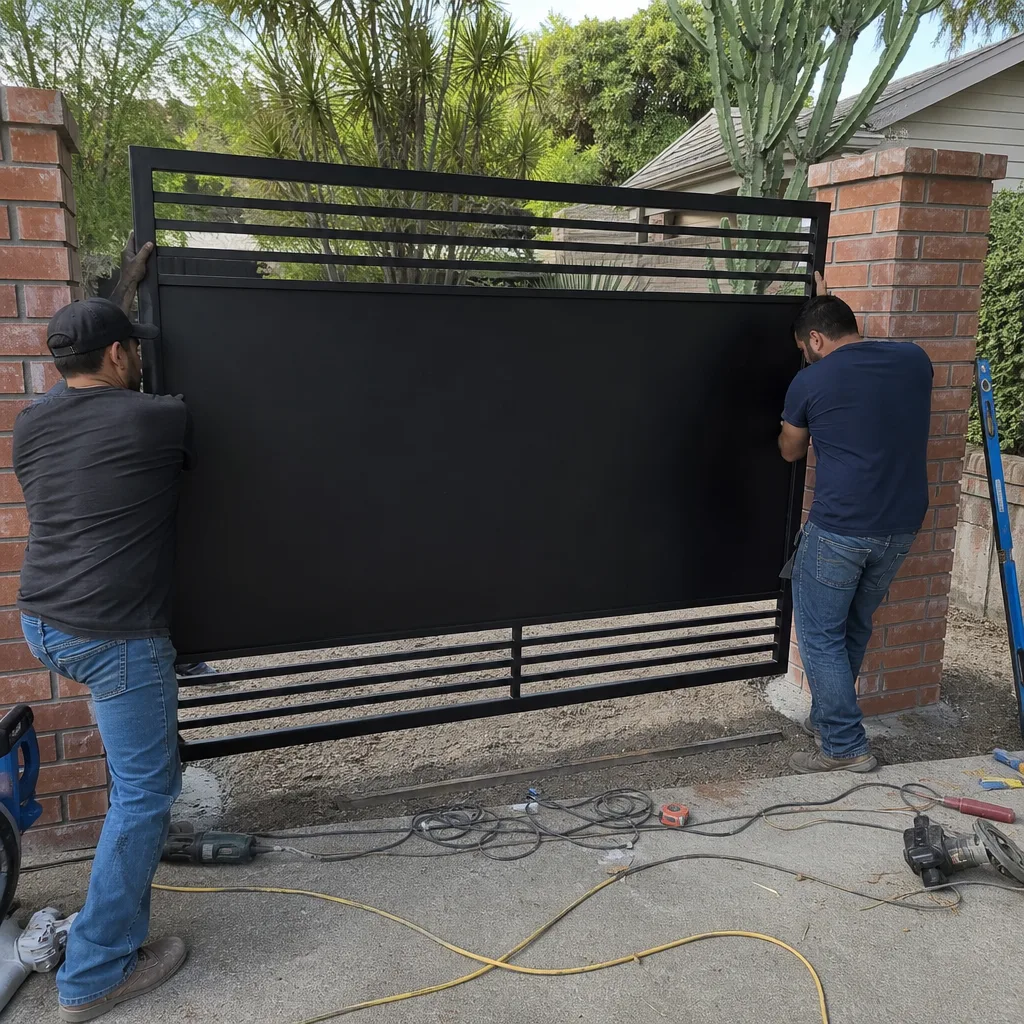
This is the calendar we recommend to homeowners in North Hollywood, built around the actual weather this city sees, not a generic spring-and-fall template. Most of these tasks take under 30 minutes. A few are best left to someone who does this for a living, and we’ve noted those.
January
Post-rain inspection month. Run the full five-step post-rain sequence from above. Pay special attention to weep holes, conduit entry points, and wire connections. January is also a good month to test your battery backup under load, since winter power outages in North Hollywood are rare but do happen during atmospheric river events. If the gate hasn’t been serviced since before the previous summer, January is the time to book a gate repair visit in North Hollywood before the heat cycle begins.
February
Check wood components. By February, any wood that absorbed water in December and January has had time to swell. Look at the gate edges, the latch alignment, and the clearance between the gate and the fence. If the gate is binding, trim or sand the affected edge. February is also the right month to lubricate hinges, rollers, and the operator’s drive mechanism with the manufacturer-specified lubricant. Don’t use WD-40 on gate hardware; use a dry-film or white lithium lubricant.
March
Start assembling the baseline. Test amp draw, limit positions, and battery voltage. Record the numbers. This is the month to install any upgrades you’ve been considering, such as replacing an aging keypad or adding a modern safety edge, before the summer heat makes outdoor work miserable and the parts start failing under load. If you’re considering a new gate installation in North Hollywood, spring is the ideal timeframe to get it measured, specified, and ordered.
April
Adjust and align. The mild April weather is when a gate’s geometry is at its most stable in North Hollywood. This is the right time to adjust hinge tension, align photo-eyes, and tighten anything that came loose over the winter. If your gate needed a post-rain adjustment in January, verify that the fix is still holding now that the wood has dried and shrunk back to its normal dimensions. Gates often need a second minor adjustment in April after the wood contracts.
May
Pre-summer check. Complete the baseline if you haven’t already. Clean the gate and the track thoroughly, removing the dust and debris that accumulated over spring winds. Verify that the photo-eyes are still aligned and that the obstruction sensors are functioning. If the gate shows any signs of strain (higher amp draw, slower travel, more noise), address it now. Summer heat will amplify whatever small problem exists in May.
June through September
Monitor. Don’t ignore. During the heat months, pay attention to changes in behavior. If the gate starts tripping its thermal overload in the afternoon, if it runs slower than it did in May, or if the keypad becomes unresponsive on the hottest days, those are symptoms of heat stress. The fix is not urgent in the same way a broken gate is urgent, but it shouldn’t wait until October. A motor running hot all summer is shortening its own life. Call during the summer if you notice degradation, because repairing a heat-stressed motor is almost always cheaper than replacing one that’s been cooked for four months.
October
Santa Ana preparation. Check the hinge bolts, operator mounting bracket, and any mechanical stops for looseness. Verify that the photo-eyes are secure. If you have a sliding gate, clear the track thoroughly and check for wear on the rollers and the track surface. October is a good time to have your gate motor and opener in North Hollywood inspected if it’s been more than two years since the last service, because the wind events are coming and a motor with worn internal gears will fail at the worst possible moment.
November
Post-wind inspection. After the first major Santa Ana event, do the 24-hour check described earlier. Look at the photo-eyes, test the gate through full cycles, and check for debris in the track. If wind damage is minor, address it immediately. Small misalignments and small amounts of loose hardware become serious problems over time.
December
Pre-rain preparation. Clear weep holes before the rain arrives, not after. Check that water drains away from the gate post and the conduit entry points. If the soil around the post has eroded, build it back up so water doesn’t pool. Verify that any exposed wire connections are sealed. December is also a good time to test the gate’s manual release and confirm that you can open the gate by hand in a power outage. You don’t want to discover a stuck manual release at 10pm during a storm.
Common Mistakes to Avoid
- Only servicing the gate when it breaks. This is the most expensive maintenance plan there is. A gate that gets checked twice a year in North Hollywood will almost always catch a failing capacitor, a corroded terminal, or a drifting limit switch before it takes out the motor or the board. Reactive-only service means paying for the worst-case repair every time.
- Using the wrong lubricant. WD-40 is a solvent, not a lubricant. It will clean the grease off your gate’s hinges and rollers and leave them running dry. Use the lubricant specified by the gate or operator manufacturer: white lithium for some applications, dry-film for others, silicone for plastic components. The wrong product is worse than no product.
- Ignoring photo-eye misalignment as a “minor nuisance.” A photo-eye that’s slightly out of alignment causes intermittent reversal, which homeowners sometimes “fix” by holding the close button or disabling the safety feature. That’s dangerous and illegal to leave that way. A gate that closes on a child, a pet, or a car is a catastrophic liability. Align the eye or replace it. Never bypass it.
- Waiting until summer to diagnose a spring problem. If the gate is making a new noise in May, the heat of June and July will only make it worse. Heat increases resistance in motors, thins grease, and accelerates capacitor failure. A $200 spring repair becomes a $1,200 summer motor replacement with alarming regularity in North Hollywood.
- Replacing the operator before checking the gate itself. When a motor burns out, the motor is often the victim, not the culprit. The underlying cause is usually a gate that’s binding, a track that’s out of level, or hinges that are worn. Replace the motor without fixing the mechanical problem and you’ll replace the motor again in 18 months. A good North Hollywood gate repair technician diagnoses the mechanical load before touching the electronics.
- Treating every brand the same. A Mighty Mule and a LiftMaster are both gate operators, but their limit-setting procedures, force adjustments, and diagnostic codes are different. Following YouTube advice for the wrong brand is how we see perfectly serviceable operators get permanently misconfigured. If you’re not sure of your brand and model, take a photo of the control board label and have someone who knows the equipment take a look.
When to Call a Professional
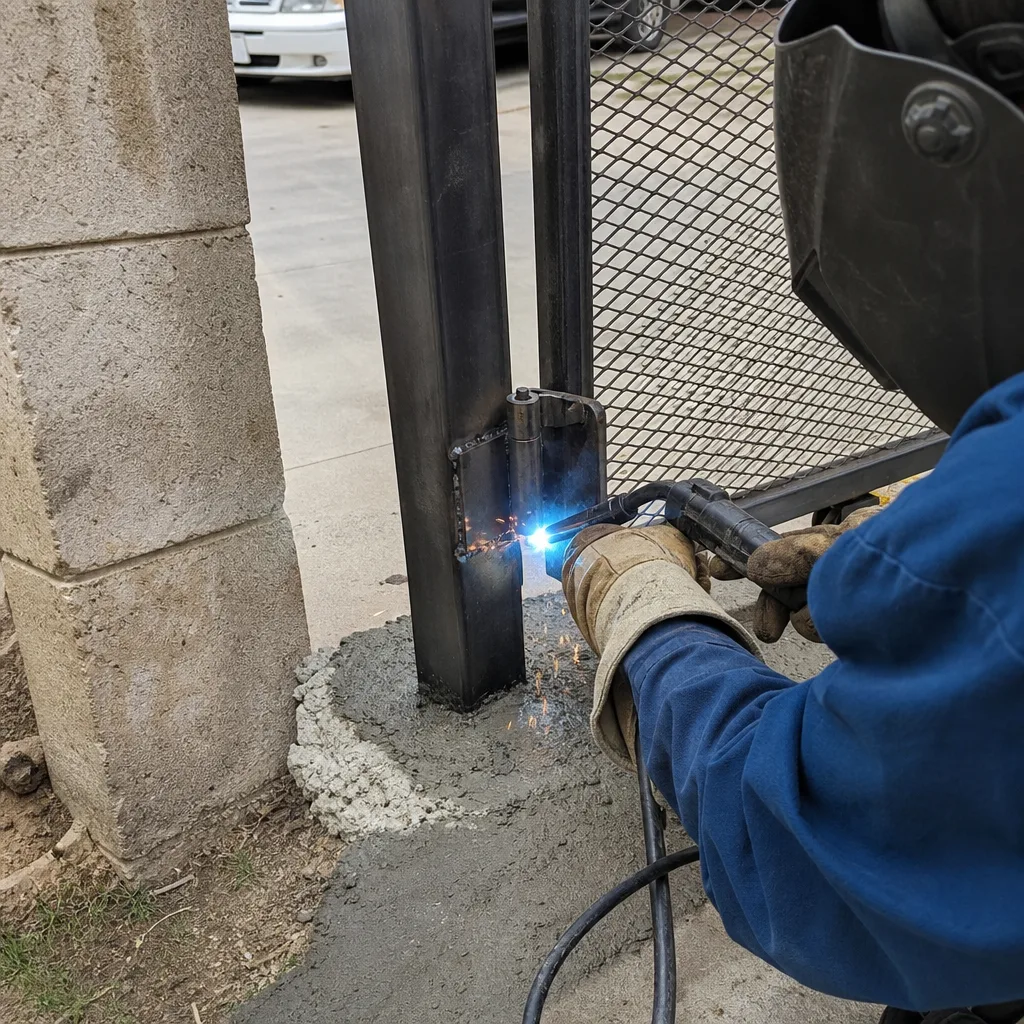
A homeowner can handle lubrication, debris clearing, weep-hole maintenance, and photo-eye lens cleaning. High-tension springs, torsion bars, and any component that holds stored mechanical energy are a different story entirely. A gate spring under tension can release violently and cause serious injury. We don’t give DIY instructions for spring work, and we don’t recommend anyone attempt it without the right tools and training. Same for any wiring work inside the control box: a short across the wrong terminals can ruin a $400 board in a fraction of a second and start a fire. If you see sparking, smell burning plastic, or the gate is moving unpredictably, shut the breaker off and call a professional. If you’re in North Hollywood, Vance Gate Repair North Hollywood offers free estimates at (213) 566-1045, with a written price handed to you before any work begins.
Frequently Asked Questions
A seasonal inspection and tune-up in North Hollywood typically runs between $85 and $180 depending on the gate type, operator brand, and what adjustments are needed. This assumes no parts replacement. If the inspection turns up a failing capacitor, a worn roller, or a corroded wire, those are quoted separately in writing before any work proceeds. Call (213) 566-1045 for an exact quote. Estimates are free, and the written price covers everything, with no surprise invoice at the end.
Yes. A live person answers the phone 24 hours a day, seven days a week. If your gate has stopped working during a North Hollywood summer afternoon and it’s genuinely stuck closed or stuck open, we treat that as an urgent call and dispatch as soon as a technician is available. For routine seasonal maintenance, same-day service is often possible, but we’ll tell you honestly what the schedule looks like when you call.
We service all of the major residential gate automation brands you’re likely to have in North Hollywood, including LiftMaster, FAAC, BFT, Mighty Mule, Ghost Controls, Linear, Viking, DoorKing, and Elite. We repair whatever motor is already on the property rather than steering homeowners toward a replacement. If the motor can be made reliable again, that’s what we do.
Yes, because of the way this climate combines moisture with heat. The rainfall totals are modest compared to other parts of the country, but the alkaline soil, the dust, and the preceding months of heat create conditions where even small amounts of water cause meaningful corrosion. A connection that went through a full summer of thermal cycling is far more vulnerable to moisture than one in a cooler climate. The rain doesn’t need to be heavy to cause damage; it just needs to find the weak point.
The most common sign is the gate working fine in the morning and evening but stopping or failing partway through the day, usually in the afternoon when temperatures peak. Some motors have a thermal overload light or a specific fault code on the control board. If the gate trips the overload and then works again after cooling down, that’s textbook heat stress. It means the motor is running hotter than it should, and it needs to be addressed before permanent damage occurs. Call (213) 566-1045 for a proper diagnosis; this is exactly the kind of problem where our baseline measurements make the cause obvious.
Every visit from Vance Gate Repair includes a documented photo record of what was found, what was adjusted, and what was installed. You get the photos, the readings (amp draw, limit positions, battery voltage), and a written record of any part numbers used. Under the Haven Standard, this documentation is included at no additional charge on every single job. It’s the same record-keeping habit we’ve maintained since Adrian Vance started doing commercial access-control work in 2014, applied to residential gates in North Hollywood.
The Bottom Line
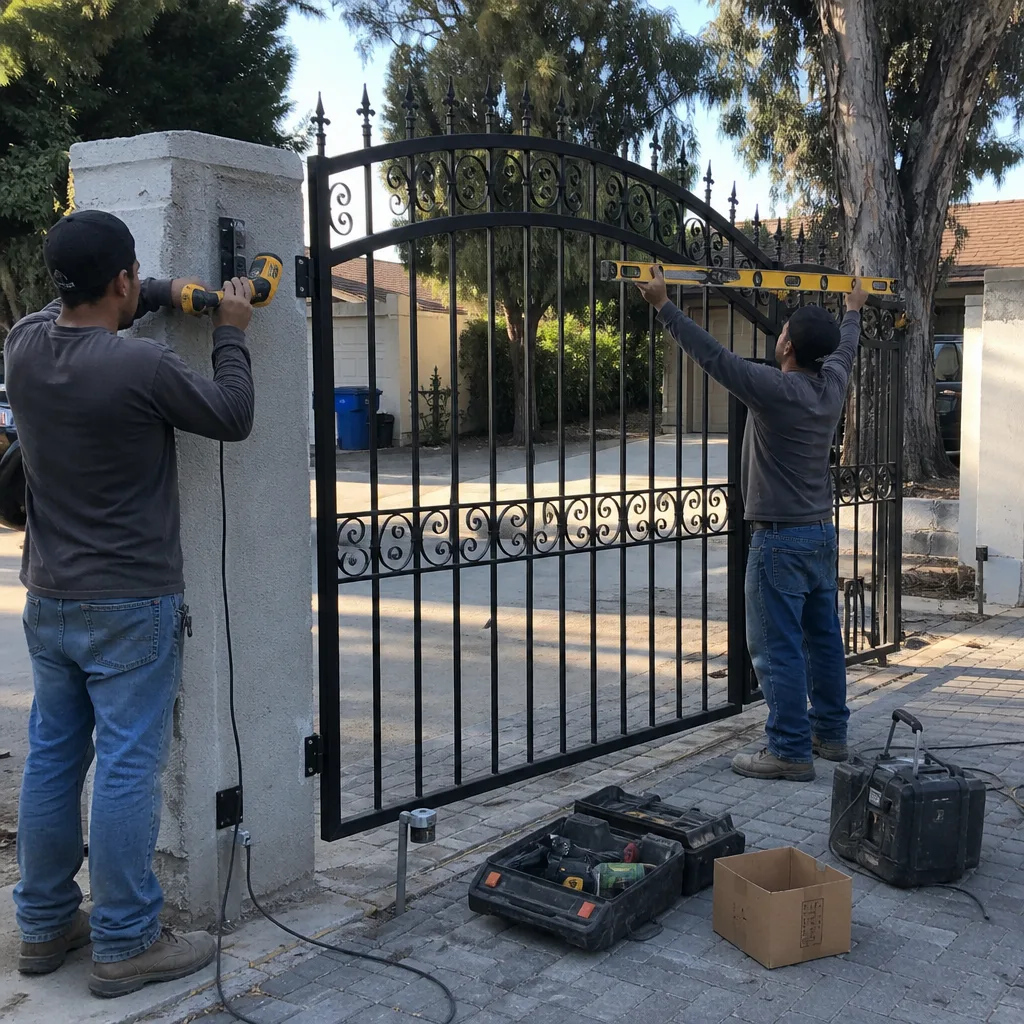
North Hollywood gates don’t fail randomly. They fail predictably: heat expansion and circuit board degradation in summer, corrosion and wood swelling in winter, wind-driven misalignment in the fall. The entire seasonal care cycle for this city fits into two focused inspections per year, a handful of 20-minute maintenance tasks, and a written record of your gate’s baseline numbers. What most often separates a $150 seasonal visit from a $1,200 emergency replacement isn’t luck. It’s timing. The gate shows you what’s wrong in May and November. If you’re not looking until it stops working in July, you’ve already paid for the expensive version. Whether it’s a repair, a seasonal check, or a full installation in North Hollywood, the written price before work starts is the only way we operate. Call (213) 566-1045 and we’ll hand you the numbers before anyone picks up a tool.
Written by Adrian Vance, Owner at Vance Gate Repair North Hollywood, serving North Hollywood since 2014.